

Kalends of January: Ancient New Year Magic, Omens, and the Power of Beginnings


Long before January became a month of gym memberships, planners, and impossible resolutions, it belonged to Janus—the Roman god of doorways, thresholds, and time itself.The Kalends of January, celebrated on the first day of the month, marked more than the turning of a calendar. It was a ritual pause between what had been and what might be.
To the Romans, beginnings were dangerous things. They required care, symbolism, and a bit of magic.
The word Kalends (or Kalendae) referred to the first day of every Roman month, but January’s Kalends held special power. It marked the start of the civic year and honored Janus—the two-faced god who looks both forward and backward.
Janus was invoked at the start of months, years, journeys, contracts, rituals, wars, and peace treaties. If something began poorly, it was believed the entire year could sour.
Janus: God of the Threshold
Janus is one of the most fascinating Roman gods because he has no Greek equivalent. He is purely Roman—a deity of liminal spaces.
He is depicted with two faces - one facing the past, and the other facing the future. This duality made him the perfect guardian of January, a month that exists between endings and beginnings. The Kalends were not about erasing the past. They were about acknowledging it, then deliberately choosing how to step forward.
Rituals, Omens, and Good Fortune
On the Kalends of January, Romans focused on setting the tone for the year ahead.
Common traditions included:
Exchanging gifts (strenae) such as coins, dates, figs, honey, or laurel branches
Offering prayers to Janus for prosperity and protection
Eating sweet foods to ensure a “sweet” year
Avoiding conflict, harsh words, and bad behavior
The belief was simple: what you do on the first day echoes outward.
Sound familiar?
From Kalends to New Year’s Resolutions
While modern New Year’s resolutions often feel punitive or guilt-driven, the Kalends were symbolic rather than restrictive. Romans weren’t trying to reinvent themselves overnight, they were aligning intention with ritual. The emphasis wasn’t on perfection, but on direction.
This ancient mindset feels especially relevant now, when burnout is common and “fresh starts” can feel forced. The Kalends remind us that beginnings don’t need to be dramatic. They need to be intentional.
Why the Kalends Still Matter
The Kalends of January weren’t about chasing an ideal future. They were about standing in the doorway—aware of what you’re leaving behind, conscious of where you’re stepping next.
It was a moment to pause, reflect, choose wisely, and begin anyway.
In a culture obsessed with constant productivity, the Kalends offer a quieter magic: the power of a deliberate beginning.
And perhaps that’s the kind of new year worth honoring.
The year may feel new, but the calendar is ancient.
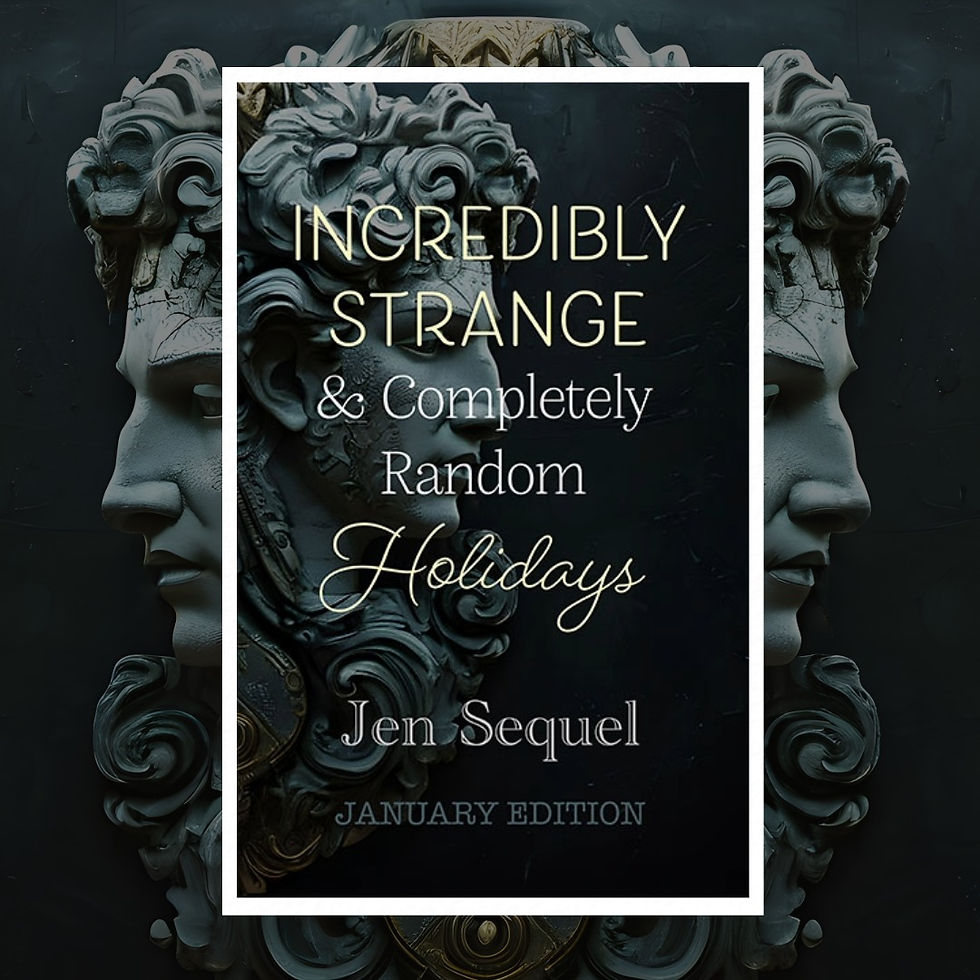
If you enjoy uncovering forgotten observances, strange dates, and rituals that slipped through the cracks of modern timekeeping, January holds more than fresh starts.
This post is part of a much larger collection of curious, obscure, and often overlooked holidays explored in Incredibly Strange & Completely Random Holidays: January Edition—where the year begins in the shadows, not the spotlight.


Comments