

Tammuz / Dumuzid: Mourning the Shepherd King – An Ancient Mesopotamian Festival


Long before the summer months were associated with sunbathing and vacations, the Mesopotamian world marked the heat of midsummer with sorrow. The ancient holiday of Tammuz—called Dumuzid in Sumerian tradition—was one of mourning, ritual lamentation, and spiritual transition. Rooted in one of the earliest recorded mythologies, the Tammuz festival was not just a seasonal observance but a profound expression of grief, divine love, and the eternal cycle of death and rebirth.
Who Was Tammuz / Dumuzid?

Dumuzid (Sumerian)—later known as Tammuz (Akkadian)—was a shepherd god and the consort of the goddess Inanna (Ishtar in Akkadian), the Queen of Heaven and goddess of love, war, and fertility. In Sumerian myth, Dumuzid was a vegetation god, representing the life force of nature, especially in crops and livestock. His fate was tied to the fertility of the earth and the turning of the seasons.
Dumuzid's myth is most vividly portrayed in "The Descent of Inanna," where Inanna journeys to the Underworld and is ultimately allowed to return—but only if someone takes her place. She chooses Dumuzid, who had not mourned her absence. Thus begins his yearly death and descent into the underworld, echoing the drying and dying of the earth during the scorching summer months.
The Festival of Tammuz: Rituals of Lamentation
The mourning of Tammuz was observed in the fourth month of the Babylonian calendar, corresponding roughly to June–July in the modern Gregorian calendar. This month was named Tammuz in honor of the god and marked a period of deep lamentation.
Key Rituals and Practices:
Lamentations and Wailing: Women, especially priestesses, performed ritual laments for the dying god. These laments were often sung in temples, accompanied by music and rhythmic mourning. Some of these texts survive and reflect deep personal and communal sorrow.
Statues and Effigies: Statues of Tammuz were sometimes buried, submerged in water, or ritually "killed" to symbolize his descent to the underworld. In later practices, they were also mourned like lost loved ones.
Processions and Public Mourning: Cities across Mesopotamia—including Uruk, Babylon, and Akkad—participated in public rites of mourning. Some regions would halt celebrations and ban weddings during this time, emphasizing the seriousness of the god's departure.
Fasting and Abstinence: Devotees often practiced personal rituals of grief, including fasting, hair-tearing, and symbolic acts of deprivation.
Mythological Significance: Death, Fertility, and Return

Tammuz’s myth is an early archetype of the dying and rising god—a motif that reappears in various ancient cultures. His descent represents not only the heat-induced death of plant life but also the cyclical nature of time. His eventual return in the fall or spring heralds the renewal of fertility and the hope of abundance.
This myth offered an explanation for seasonal changes but also served a deeper psychological and spiritual purpose: it allowed people to ritually process loss, confront the inevitability of death, and anticipate regeneration.
Tammuz in Later Traditions
The influence of Tammuz did not fade with the decline of Mesopotamia. His name and story echoed across time and cultures:
Hebrew Bible: Tammuz is mentioned in Ezekiel 8:14, where women are seen weeping for him at the north gate of the temple in Jerusalem—likely a critique of syncretic religious practices during the Babylonian exile.
Greek and Roman Echoes: The myth of Adonis, a beautiful youth loved by Aphrodite who dies and returns annually, shares striking parallels with Tammuz. The Adonia festival of mourning was likely influenced by older Mesopotamian customs.
Gnostic and Early Christian Thought: Some early religious thinkers saw Tammuz as a type of Christ figure—another divine being who suffers, dies, and returns.
Modern Resonance: A Forgotten God Remembered
Though the direct worship of Tammuz faded with the spread of monotheism, his myth continues to echo in literature, art, and seasonal symbolism. The idea of a sacrificed god tied to natural cycles is deeply ingrained in many religious systems, and Dumuzid stands as one of the earliest known examples of this archetype.
In modern Neopagan and reconstructionist traditions, Tammuz/Dumuzid is sometimes honored during summer rituals as a symbol of loss and sacrifice, a reminder of the cost of life’s abundance.
The Shepherd Who Never Truly Dies
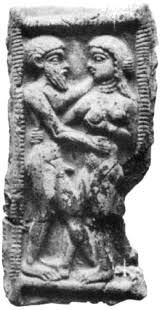
The ancient holiday of Tammuz was not just a funeral for a god. It was a collective expression of grief, a public acknowledgment of impermanence, and a mythic reminder that every descent into darkness holds the promise of return. In the dry, scorching winds of a Mesopotamian summer, as fields withered and waters receded, the people remembered Dumuzid—and by doing so, reaffirmed their hope that life would return.
Suggested Reading:
Inanna, Queen of Heaven and Earth by Diane Wolkstein & Samuel Noah Kramer
Myths from Mesopotamia translated by Stephanie Dalley
The Babylonian World edited by Gwendolyn Leick


Comments